A healthy and productive workplace depends on several factors, including access to clean and refreshing drinking water. Modern offices increasingly rely on a water dispenser for office use to ensure employees stay hydrated throughout the day. Hydration directly influences concentration, energy levels, and overall well-being, making reliable water access an essential workplace amenity.
A high-quality water dispenser not only provides convenience but also supports workplace hygiene and sustainability. Instead of relying on disposable plastic bottles or constant trips to the pantry, offices can install a centralized solution that delivers clean drinking water quickly and efficiently. As workplaces evolve to prioritize employee comfort and efficiency, installing a reliable water dispensing system becomes an important step toward building a better office environment.
How a Water Dispenser for Office Improves Workplace Productivity
A well-equipped office environment contributes significantly to employee performance and satisfaction. One of the simplest yet most effective improvements an organization can make is installing a water dispenser for office use. Easy access to drinking water encourages employees to stay hydrated without leaving their workspace for extended periods.
Hydration plays a vital role in maintaining focus during long work hours. Employees who drink enough water often experience better cognitive performance, reduced fatigue, and improved mood. When a water dispenser is placed in accessible locations such as break rooms or shared spaces, it becomes easier for staff to maintain healthy hydration habits throughout the day.
Additionally, having a centralized drinking water source encourages short, refreshing breaks that can boost creativity and reduce mental stress. These small moments of relaxation often lead to increased productivity when employees return to their tasks.
Benefits of Installing a Water Dispenser for Office Use
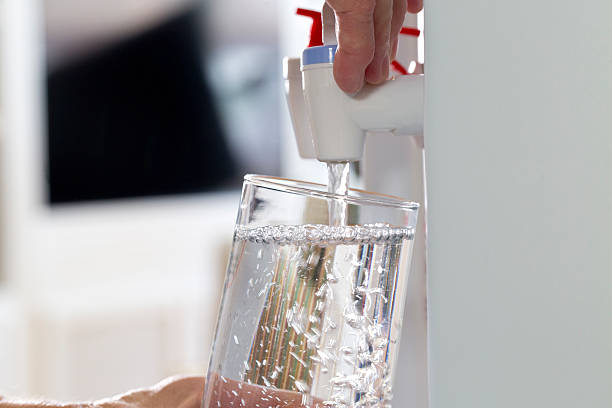
Providing drinking water in the workplace is not just about convenience. A water dispenser for office use offers several operational and health advantages that support the overall office environment.
First, it helps maintain consistent water availability for employees and visitors. Whether someone needs cold water on a hot day or warm water for beverages, a modern water dispenser can deliver water at different temperatures instantly.
Second, it promotes hygiene and cleanliness. Instead of multiple employees handling shared water bottles or cups, a dispensing system reduces direct contact and ensures controlled water flow. This creates a more sanitary drinking experience.
Third, offices that use a water dispenser for office setups often reduce waste associated with disposable plastic bottles. By using refillable containers or filtration systems, businesses can support environmentally responsible practices while maintaining convenience. \
Different Types of Water Dispenser Systems for Offices
Not all workplaces have the same requirements, which is why various types of water dispenser systems are available. Each option offers different advantages depending on office size, employee count, and water consumption levels.
Bottle-Based Water Dispenser
A bottle-based water dispenser for office environments uses large refillable water containers placed on top of the unit. These systems are simple to install and do not require plumbing connections. Many small and medium offices prefer this option due to its flexibility and easy setup.
Plumbed Water Dispenser
A plumbed water dispenser connects directly to the building’s water supply. It filters and dispenses water continuously without requiring replacement bottles. This solution is particularly suitable for larger offices where water consumption is higher.
Countertop Water Dispenser
Some workplaces prefer compact solutions such as countertop units. These smaller water dispenser for office systems are ideal for limited spaces like small meeting rooms or compact office kitchens.
Each type provides reliable hydration access, and the choice depends largely on the specific needs of the workplace.
Why Hydration Matters in Office Settings
Maintaining proper hydration throughout the workday plays an important role in employee health and efficiency. A water dispenser for office environments encourages employees to drink water regularly instead of relying on sugary beverages or caffeinated drinks.
Dehydration can cause headaches, fatigue, and difficulty concentrating. When employees have quick access to a water dispenser, they are more likely to maintain healthy drinking habits. This can lead to improved energy levels and better work performance.
Furthermore, hydration supports overall wellness. Adequate water intake helps regulate body temperature, improve digestion, and support cognitive functions. By installing a water dispenser for office use, organizations show that they value employee well-being and workplace comfort.
Maintaining Hygiene with a Water Dispenser
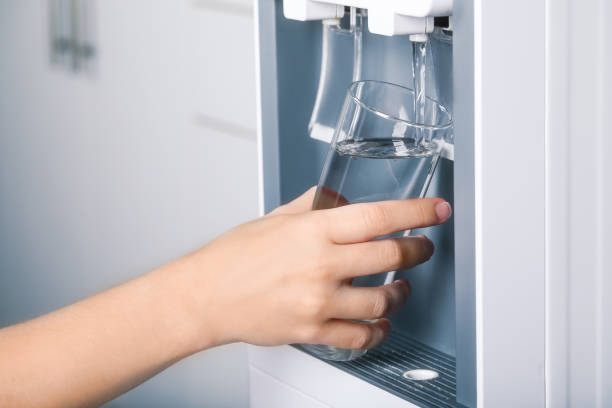
Clean drinking water systems are essential in shared environments such as offices. A properly maintained water dispenser ensures safe and hygienic water for everyone in the workplace.
Regular cleaning and maintenance prevent contamination and maintain water quality. Most modern water dispenser for office systems are designed with easy-to-clean surfaces and removable drip trays that simplify maintenance routines.
Proper hygiene practices around the dispenser area also encourage employees to use the system responsibly. Keeping cups organized and ensuring the dispenser area stays clean contributes to a healthier office environment.
Conclusion
Providing convenient access to clean drinking water is a simple yet powerful way to improve the workplace experience. Installing a water dispenser for office use supports employee hydration, promotes wellness, and creates a more comfortable office environment.